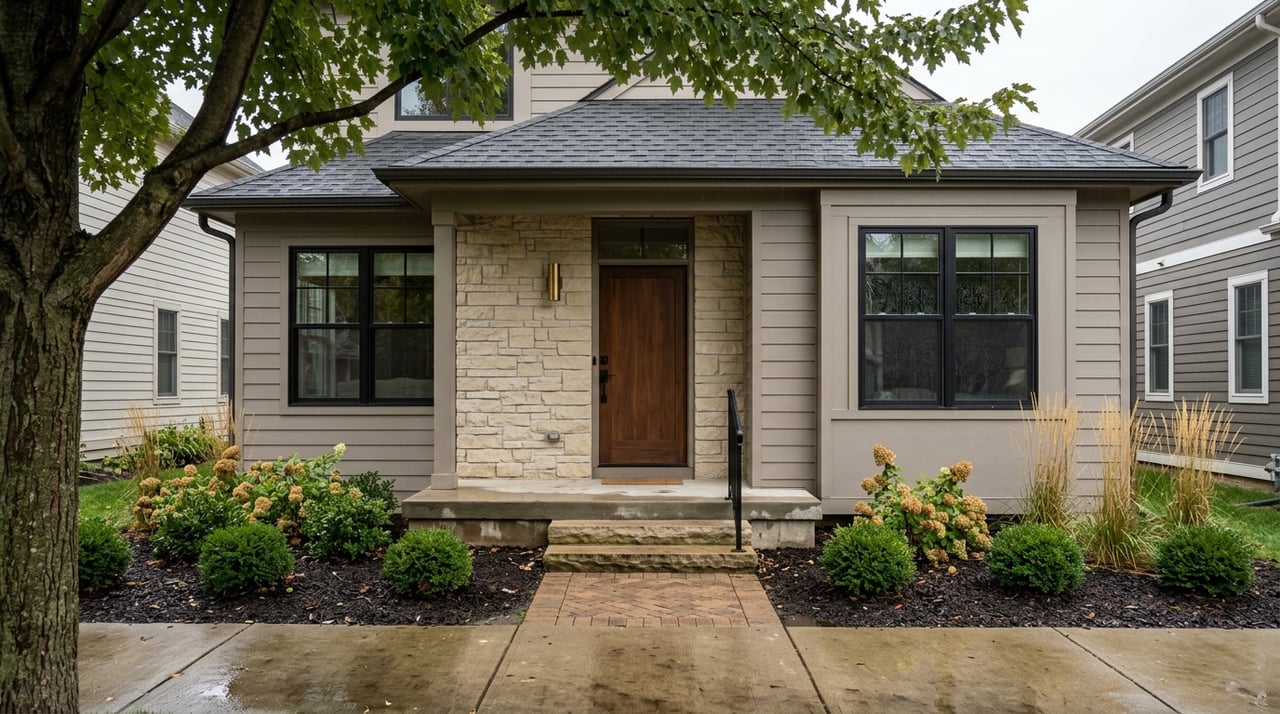
Looking for your first rental property in Westerville but not sure if buying near Uptown makes sense? You are not alone. Many first-time investors want a location that feels stable, walkable, and well connected, but they also need to understand rental demand, holding costs, and local rules before making an offer. This guide will help you evaluate what makes Uptown Westerville appealing, where the risks can show up, and how to approach your numbers with more confidence. Let’s dive in.
Why Uptown Westerville Stands Out
Uptown Westerville plays a unique role in the city. According to the City of Westerville’s South State Street Corridor information, Uptown is the city’s civic, social, business, and educational core, with a historic district that includes 57 contributing structures on the National Register. That mix gives the area a distinct identity that can support long-term housing appeal.
The district is also closely tied to daily convenience. The city describes Westerville as highly walkable, with access to public transit options and proximity to downtown Columbus and the airport. For an investor, that can matter because walkability, connectivity, and nearby amenities often shape how renters compare one location to another.
Another factor is the built environment itself. Uptown includes historic commercial spaces, older homes, and a mixed-use setting that feels different from a typical suburban corridor. That variety can create opportunities for buyers who want a property with character and income potential close to a recognizable destination.
Rental Demand Near Uptown
One of the clearest drivers of local housing demand is Otterbein University, which describes itself as a residential liberal arts campus in Westerville with approximately 3,000 students. A residential university can support ongoing housing needs from students, staff, and related households who want to live close to campus.
Uptown also benefits from steady activity throughout the year. Uptown Westerville Inc. reported an estimated 175,000 special-event attendees in 2025, along with monthly 4th Friday events drawing roughly 13,000 to 18,000 attendees and an estimated $6.1 million annual economic impact. High foot traffic does not guarantee rental success, but it does reinforce Uptown’s role as a lively destination with lasting local relevance.
Employment is another piece of the story. The City of Westerville highlights a major employment base and names employers such as DHL Supply Chain, Lancaster Colony, Cheryl & Co., Central Ohio Physicians Care, and Orthopedic ONE, while also citing more than 46,000 private-sector jobs in the city. A broader job base can help support housing demand beyond one single employer or institution.
What the Housing Data Means
Westerville is not a renter-heavy market, and that is important to understand upfront. Census QuickFacts for Westerville show a 72.5% owner-occupied rate, a median owner-occupied home value of $374,500, median monthly owner costs of $2,120 with a mortgage, and median gross rent of $1,364.
For you, that likely means the rental pool is more selective than it would be in a renter-dominated market. In practical terms, condition, location, and overall tenant experience may carry more weight when you are trying to attract and keep renters. If you are buying your first investment, that makes careful property selection especially important.
It also means you should avoid assuming every property near Uptown will perform the same way. A home a few blocks from the core may appeal differently than a condo, duplex, or upper-floor unit in a mixed-use setting. Micro-location matters here.
Best Property Types to Consider
Near Uptown, the most plausible entry points for a first rental are often:
- Smaller detached homes
- Duplexes
- Townhomes or condos
- Mixed-use buildings with residential space
- Upper-floor units in historic commercial areas
That framework comes from the area’s historic, walkable, mixed-use character and from the city’s Uptown planning language, which contemplates income-producing uses, including residential rental and underused upper floors in historic buildings.
If you are choosing between these options, your decision should come down to more than purchase price. You will also want to compare renovation needs, long-term maintenance, utility setup, parking, and how easily the property fits the type of renter you expect to attract.
Costs First-Time Investors Should Underwrite Carefully
Many first-time investors focus heavily on mortgage payments and expected rent. In Westerville, that is not enough. Your underwriting should also reflect local utility costs, taxes, and possible approval timelines if the property falls within a historic review area.
Utilities Matter More Than You Think
Westerville owns and operates its own electric and water systems, and billing includes minimum charges plus usage-based steps. In the city’s 2025 utility update, Westerville said the average utility customer would pay $19.61 more per month, a 7.8% increase.
That does not mean every rental will be expensive to carry, but it does mean utilities should not be treated like a minor line item. If your lease structure requires you to cover some or all utilities, that number needs to be modeled carefully from the start.
Property Taxes Vary by Parcel
Do not rely on broad tax averages when evaluating a deal in or around Westerville. The Franklin County tax estimator explains that tax rates depend on the taxing district approved by voters, so the exact parcel and district matter.
You should also avoid building your investment plan around a residential tax abatement assumption. Westerville’s CRA guidance says residential properties are not considered for abatements. If you are buying your first rental, that is a detail worth confirming early.
Historic Review Can Affect Timing
If the property is located in Uptown or another historic-overlay area, approval timelines can become part of your risk profile. The city’s Uptown Westerville business page says the Uptown Review Board reviews items such as additions, facade renovations, exterior materials, window and door replacements, awnings, paint color changes, demolition, signage, and landscaping.
That review process does not automatically make a project unattractive. It does mean that if your investment plan depends on fast cosmetic updates or exterior changes, you should understand the process before you finalize your renovation budget and timeline.
Incentives That May Help Certain Properties
Westerville continues to position Uptown as an investment district. According to the Westerville Area Chamber incentive page, Uptown property owners and businesses may be eligible for improvement grants, and some non-residential Uptown projects may qualify for a fire suppression grant covering up to 75% of eligible costs.
The city also notes on its Uptown page that the Uptown Improvement Program has offered matching grants for restoration or substantial building improvements, with reimbursement up to 50% of costs and a $30,000 cap, subject to approval. These programs will not apply to every first-time investor, but they may matter if you are considering a mixed-use or non-residential component.
Because incentive eligibility can be specific, it is smart to verify the property type, intended use, and current program status before counting on any financial benefit. Incentives can improve a deal, but they should not be the reason a deal works.
A Simple Way to Evaluate a Deal
If you are thinking about investing near Uptown, keep your review process straightforward. A good first pass often includes these questions:
- Is the property close to Uptown amenities, Otterbein, or major employment access?
- What is the realistic rent range based on the exact location and condition?
- What repairs or updates are needed right away?
- Will utilities be tenant-paid, owner-paid, or partially shared?
- What are the exact property taxes for that parcel?
- Is the property subject to historic review or exterior approval requirements?
- Are there any improvement grants or limitations tied to the property’s use?
This kind of checklist can help you avoid buying based on charm alone. Uptown has plenty of appeal, but your return still depends on disciplined numbers and a clear plan.
Why Local Guidance Matters
Westerville blends a walkable historic core, a university presence, major employers, and a largely owner-occupied suburban housing base. That combination can create opportunity, but it also means you need a more local lens than you might in a cookie-cutter rental market.
A knowledgeable local agent can help you compare one block to another, spot likely review issues early, and pressure-test your expected rent against the property’s condition and location. That kind of guidance can be especially helpful if you are buying your first rental and want to avoid expensive surprises after closing.
If you are considering an investment near Uptown Westerville and want a clearer view of the opportunity, Teresa Powell can help you evaluate location, property type, and next steps with a concierge-level approach rooted in local market knowledge.
FAQs
Is Uptown Westerville a good place for a first rental investment?
- Uptown Westerville can be a strong option if you choose carefully, because the area benefits from walkability, year-round activity, proximity to Otterbein University, and access to Westerville’s broader employment base.
What property types make sense near Uptown Westerville for new investors?
- Smaller detached homes, duplexes, condos, townhomes, and some mixed-use or upper-floor residential units may be worth exploring based on Uptown’s historic and mixed-use character.
How much rent can you expect in Westerville, Ohio?
- Census QuickFacts lists Westerville’s median gross rent at $1,364, but actual rent depends on the specific property, condition, and location.
Are utilities an important cost for Westerville rental properties?
- Yes, because Westerville operates its own electric and water systems, and the city’s 2025 update said the average utility customer would pay $19.61 more per month, making utilities an important underwriting item.
Do Westerville investment properties qualify for residential tax abatements?
- Westerville’s CRA guidance says residential properties are not considered for abatements, so you should not assume a residential tax incentive will be available.
Do historic rules affect rental properties in Uptown Westerville?
- Yes, if a property is in Uptown or a historic-overlay area, exterior changes and certain improvements may require review by the Uptown Review Board, which can affect renovation planning and timing.