If you are choosing between Westerville’s historic core and its newer subdivisions, the real question is not simply old versus new. It is whether you want a walkable, mixed-use setting with deep historic character or a more standardized suburban layout centered on parks, trails, and neighborhood amenities. If you are weighing homes in 43082, this guide will help you compare the lifestyle, housing patterns, and tradeoffs so you can decide with confidence. Let’s dive in.
What Makes This Decision Unique
Westerville has grown in distinct phases, from the 1840s Uptown and Otterbein area to early 20th-century neighborhoods, 1950s ranches, and later suburban communities. The city describes Uptown as its historic core, with active storefronts, mixed uses, and a walkable scale.
At the same time, Westerville offers broader suburban convenience with direct access to I-270 and I-71, COTA bus service, 26 parks, 51 miles of trails, and a 145,000-square-foot community center. That means your decision is less about whether Westerville works for you and more about which part of Westerville fits your day-to-day life.
Historic Uptown: Character and Walkability
Historic Uptown Westerville is a nationally recognized historic district and one of the city’s most important historic areas. It was listed on the National Register in 2019 and includes 57 contributing structures, including the Stoner stagecoach stop and inn from 1852.
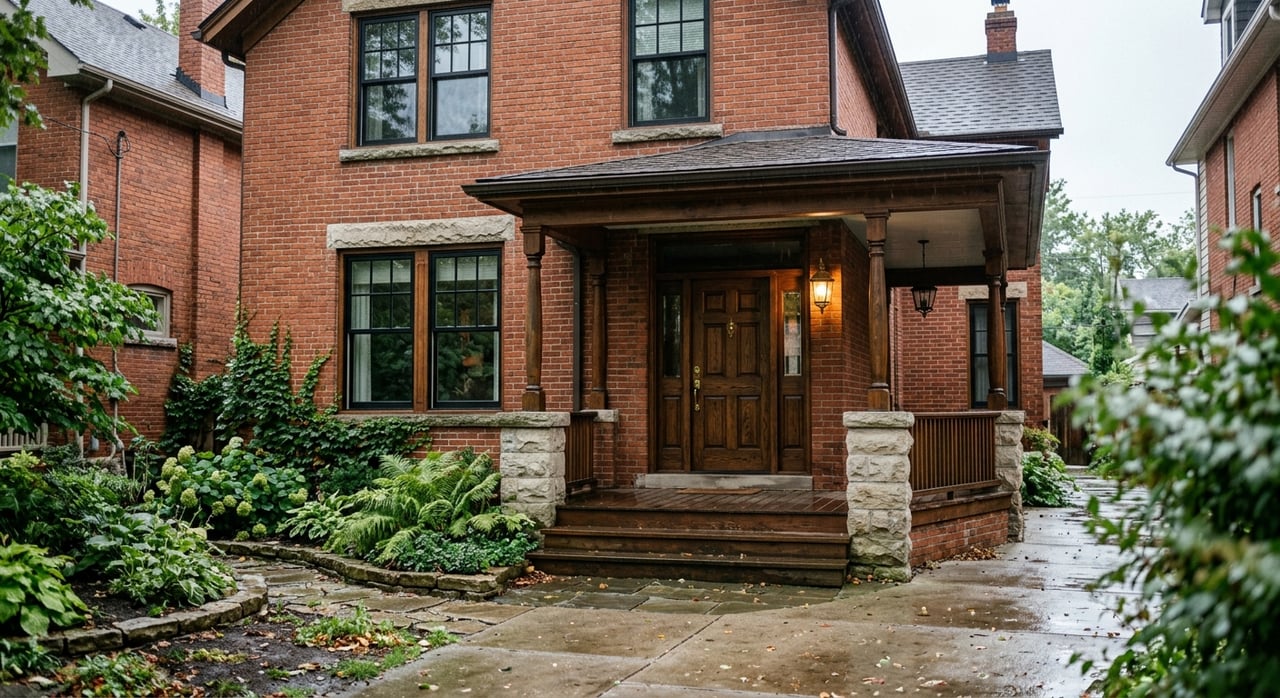
If you are drawn to older architecture, nearby local businesses, and a true town-center feel, Uptown offers something later subdivisions usually cannot replicate. The area is known for its historic form, storefront activity, and streets that feel designed for walking rather than just driving through.
Uptown Is More Than Shops
A common question is whether Uptown is only a business district. It is not. The nearby Olde Westerville area includes older residential streets and a mix of land uses and zoning patterns that developed before modern zoning rules.
That older pattern helps explain why living near Uptown feels different from living in a conventional subdivision. You may be close to shops, restaurants, and events, but you are also living in an area where the residential fabric and street layout reflect a much earlier era of development.
What Buyers Often Love About Uptown
If Uptown is on your shortlist, the appeal usually comes down to lifestyle.
- Walkable access to shops and restaurants
- Historic architecture and recognizable character
- A mixed-use environment in the city’s core
- Proximity to community events and public gathering spaces
- Older residential streets with a distinct sense of place
For many buyers, that daily convenience and atmosphere matter as much as the house itself.
What To Think About Before Buying in Uptown
Historic areas usually come with tradeoffs, and Westerville is no exception. The city’s Olde Westerville overlay standards and Uptown review process show that preserving the area’s character is a priority.
The Uptown Review Board reviews items such as new construction, additions, exterior material changes, window and door replacements, signage, awnings, paint colors, demolition, and landscaping. In residential portions of Olde Westerville, demolition also requires Planning Commission review.
That does not make Uptown harder to enjoy, but it does mean you should be comfortable with a little more process if you want to make exterior changes. Buyers should also expect parking and older-home maintenance to be part of the conversation when comparing this area with newer neighborhoods.
Newer Westerville: Predictability and Park Access
If you prefer a more conventional suburban setup, newer Westerville neighborhoods may feel like a better fit. These areas tend to offer more standardized housing patterns, attached garages, and community features tied to paths, sidewalks, and open space.
Two useful examples in 43082 are Millstone Creek and Sherbrook. They are not identical, but together they show what many buyers mean when they say they want newer Westerville rather than the historic core.
Millstone Creek: Later-Built and Amenity-Oriented
Millstone Creek stands out as a later-built single-family neighborhood. Recent listing examples show homes built mostly between 2005 and 2007, including two-story and 5-level split layouts around 2,600 to 2,900 square feet, often with attached garages and updated interior features.
This neighborhood tends to appeal to buyers who want a more predictable floor plan and a suburban environment shaped around neighborhood amenities instead of storefronts. In recent listings, HOA features have included a bike and walk path, outdoor sports area, park, sidewalk, and in at least one case, lawn care.
Millstone Creek Park Adds to the Appeal
Millstone Creek Park helps define the lifestyle in this part of Westerville. The 15.27-acre park includes parking, a recreation pathway, loop path, three sports fields, basketball, bike racks, an inclusive playground, a nature play area, a boardwalk, a gazebo, and stream and wetland features.
If your ideal weekend includes neighborhood walks, time outdoors, and easy access to recreation, that park connection can be a major plus. It gives the area a park-oriented identity that feels very different from Uptown’s storefront-centered rhythm.
Who Millstone Creek May Suit Best
Millstone Creek may fit you well if you want:
- Homes from the mid-2000s rather than the 1800s or early 1900s
- More standardized layouts and newer construction patterns
- Attached garages and suburban lot configurations
- Neighborhood features tied to parks, paths, and sidewalks
- A setting that may involve less near-term maintenance pressure than a historic-core home
That last point is a general inference from build dates and neighborhood patterns, not a promise about any specific property. Still, it is often part of why buyers look at this area.
Sherbrook: The Middle Ground Option
Sherbrook offers a useful middle point between Uptown and Millstone Creek. Recent listing examples show homes built mostly from 1998 to 2002, typically as single-family two-story houses with attached garages and lots around a quarter acre or a bit more.
For buyers who want an established subdivision feel without stepping as far back in age as Uptown, Sherbrook can be an appealing compromise. It is newer than the historic core, but older and often a bit less uniform in feel than some later communities.
What Defines Sherbrook
Recent listings often highlight features like fenced yards, patios or decks, open floor plans, and convenient access to everyday amenities in Westerville. HOA information in recent examples points to a more conventional suburban setup, with sidewalk listed as an amenity.
This is not the same kind of amenity package you may see in a more park-centered neighborhood, but it still supports a familiar suburban daily routine. If you want an established area with late-1990s to early-2000s housing stock and no historic-district review environment, Sherbrook is worth a close look.
How To Choose Between Uptown and Newer Westerville
The best choice depends on how you want to live, not just what year the home was built. A home can check every box on paper and still feel wrong if the surrounding environment does not match your routine.
Here is a simple way to think through the decision.
Choose Historic Uptown If You Value:
- Walkability
- Historic architecture
- Nearby shops and restaurants
- Community events and a central setting
- A mixed-use environment with older residential streets
You should also be comfortable with the realities of historic-core ownership, including more oversight for exterior changes, parking considerations, and the upkeep that can come with older homes.
Choose Millstone Creek If You Value:
- Later-built homes
- More predictable layouts
- Park and trail access
- Neighborhood amenities such as paths and sidewalks
- A suburban setting organized around recreation rather than storefronts
Choose Sherbrook If You Value:
- An established subdivision feel
- Late-1990s or early-2000s construction
- Conventional suburban floor plans
- Larger lots than you may typically find near Uptown
- A balance between historic charm nearby and newer suburban uniformity
A Few Practical Questions To Ask Yourself
Before you decide, try measuring each area against your actual habits. Think about where you want to spend your time, how much home maintenance you are comfortable with, and whether you care more about walkable surroundings or house configuration.
Ask yourself:
- Do you want to walk to shops and events, or would you rather be near parks and neighborhood paths?
- Do you love older-home character, or do you prefer more modern layouts?
- Are you comfortable with exterior review standards in a historic area?
- Would a larger lot and attached garage improve your day-to-day life?
- Do you want a mixed-use setting or a more routine suburban pattern?
When you answer those questions honestly, the right fit usually becomes much clearer.
If you are comparing Uptown, Millstone Creek, Sherbrook, or other 43082 options, working with a local team can help you weigh not just the home, but the lifestyle behind the address. For tailored guidance on Westerville neighborhoods and available homes, connect with Teresa Powell.
FAQs
Is Historic Uptown Westerville only a business district?
- No. Uptown is the historic core, and the nearby Olde Westerville area includes older residential streets with special overlay standards.
Are Millstone Creek homes in Westerville brand-new?
- No. Recent listing examples used in this comparison show Millstone Creek homes built mostly between 2005 and 2007.
Are Sherbrook homes in Westerville considered newer than Uptown?
- Yes. Recent listing examples show Sherbrook homes mostly from 1998 to 2002, which makes them much newer than homes tied to the historic core.
Is Westerville generally good for trails and parks?
- Yes. Westerville has 26 parks and 51 miles of trails, though the daily experience can still feel more car-oriented in some subdivisions than in Uptown.
What is the biggest lifestyle difference between Uptown and newer Westerville neighborhoods?
- Uptown centers on walkability, mixed uses, and historic character, while newer neighborhoods like Millstone Creek and Sherbrook lean more toward standardized suburban living, garages, yards, and park-oriented routines.