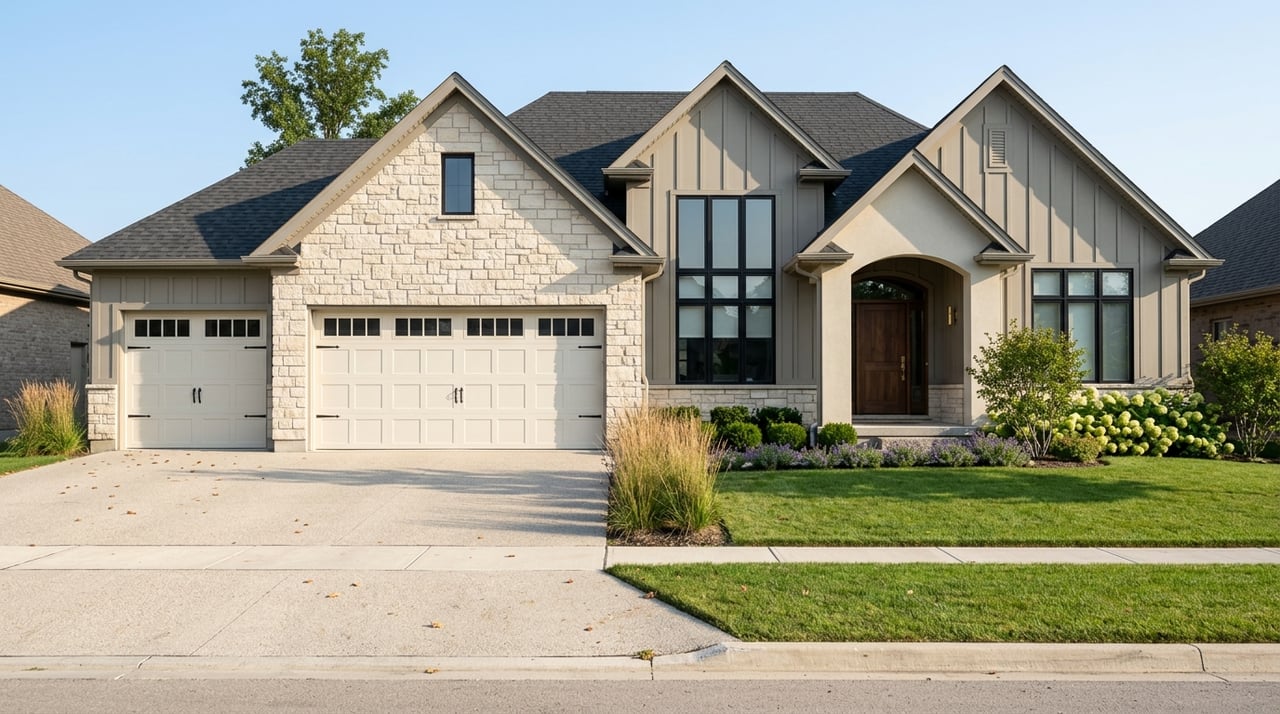
Thinking about building new in Westerville? It can be exciting to choose a lot, personalize finishes, and watch your future home take shape. It can also feel overwhelming once permits, contracts, inspections, and builder timelines enter the picture. If you are building in 43082, understanding how the local process works can help you ask better questions, avoid delays, and protect your interests from deposit to closing. Let’s dive in.
Why local process matters in 43082
When you build new in Westerville, the process is not just between you and a builder sales office. The city’s Building Division requires plans and an application before work starts, and separate permits may also be needed for building, electrical, mechanical, and plumbing work.
That matters because timing, approvals, and even property details can affect your build from day one. In 43082, Westerville also directs owners to check the Delaware County Auditor property search under Tax District, since a mailing address does not always match the taxing jurisdiction.
If a builder mentions local tax incentives, it is smart to verify what actually applies. Westerville’s Community Reinvestment Area abatements are for commercial and industrial projects, not residential homes.
Start with the lot, not just the floor plan
It is easy to fall in love with a model home or builder package first. Still, the lot itself can shape your timeline and approval path just as much as the home design.
Westerville lists a residential building permit for new single-family homes through its permit portal. In some Uptown situations, a Certificate of Appropriateness may also be required, which can add time to the review process.
The city publishes approximate review times of about 10 business days for a standard residential permit and about 15 to 25 business days when that additional certificate is needed. Ohio law also requires a permit application review and response within 30 days of receipt.
Questions to ask before you place a deposit
Before deposit money changes hands, make sure the address, parcel, and site plan line up with the city and county paperwork. Westerville’s forms say that for a new building or new utility structure, an Address Request Form should be submitted before the permit application.
The city also recommends contacting staff before the project starts to help avoid delays. If you are comparing homesites, ask whether the parcel involves any extra zoning, Uptown review, or other board approval.
A few simple questions can save time later:
- Has the lot address been formally requested and confirmed?
- Does the parcel match the site plan and builder paperwork?
- Is the property in Westerville city jurisdiction, and what is the tax district?
- Will this homesite need any added zoning or design review?
- What is the expected permit timeline for this specific lot?
Know who represents you
One of the most important parts of building new is understanding who is actually working for you. In Ohio, agency means a licensee represents another person in a real estate transaction.
A seller’s agent must promote the seller’s best interests. A buyer’s agent owes those same core duties to you as the buyer.
This is especially important with new construction because builder representatives and on-site sales staff are not the same as your own buyer representation. If you work directly with a listing agent, Ohio’s consumer guidance says that agent represents the seller’s interests, not yours.
Why buyer representation matters with builders
A new-build contract can involve deposits, upgrade costs, deadlines, lender choices, inspection timing, and completion issues. Having your own advocate can help you evaluate terms, ask tougher questions, and keep details from slipping through the cracks.
Ohio also allows dual agency in certain cases, but only with disclosure and consent. In that arrangement, the brokerage must remain neutral rather than fully advocating for one side.
You may also see an Ohio Agency Disclosure Statement during the process. That form confirms the role of the agent in the transaction, and the form itself does not bind you to pay the agent or brokerage.
Treat design choices like contract terms
With a new build, many buyers focus on the exciting parts first, including cabinets, flooring, lighting, and structural upgrades. Those selections feel personal, but they also need to be handled like business terms.
CFPB guidance says buyers should make the purchase offer and sales contract contingent on financing and on a satisfactory inspection. For homes that are not yet built, builders may also ask for earnest money up front, so you should ask under what conditions that deposit is refundable.
You also do not have to use the builder’s preferred lender. That gives you room to compare options and choose what works best for your financing goals.
Put every promised upgrade in writing
Westerville’s permit process is based on the plans submitted before work begins. Because of that, it is wise to make sure upgrade selections, allowances, and any promised changes are reflected in the written builder paperwork before permits are submitted and the construction timeline moves ahead.
If a conversation matters, it should appear in the contract documents or related written selections. That includes structural options, lot premiums, appliance packages, finish allowances, and any builder promises about substitutions or changes.
A helpful checklist includes:
- Earnest money amount and refund terms
- Financing contingency details
- Inspection terms
- Included features versus upgrades
- Design-center selections and allowances
- Change-order process
- Estimated build timeline
- What happens if materials or products change
Expect a staged inspection process
One reason new-construction timelines can shift is that the city inspects the home in stages. Westerville’s residential inspection guide includes rough plumbing, rough electrical, rough HVAC, framing, insulation, and final plumbing, electrical, and HVAC inspections before occupancy-related steps.
In other words, your home does not move from foundation to closing in one straight line. It moves through checkpoints, and each one can affect the next phase.
Westerville says the permit holder receives a Certificate of Occupancy or Final Approval only after the required work and inspections are complete. That is why a builder’s projected move-in date should always be viewed with some flexibility.
Track permit status, not just verbal updates
Westerville’s permit portal says applicants, property owners, and contractors receive automatic email notifications when an application is reviewed, issued, or when an inspection occurs. That is useful because it gives you a more direct window into progress.
There is also a Residential Partial Occupancy Guidelines document for a single-family dwelling. That suggests move-in may not always be an all-or-nothing event, depending on the project and approvals.
If your timeline is tight, ask clear questions about:
- Which inspections have been completed
- Which inspections are still pending
- Whether occupancy is expected to be full or partial
- Whether any corrections or reinspection items are open
- How permit status compares with the builder’s target closing date
Prepare carefully for closing
As your home nears completion, there is still plenty to coordinate. CFPB says buyers need to provide documents to the lender, schedule a home inspection, shop for homeowner’s insurance, and shop for title insurance and other closing services.
In many cases, you can choose your own providers and may save money by shopping around. That is worth remembering if a builder package makes it sound like every service is already decided for you.
Before signing, review the closing documents closely. CFPB notes that in limited situations, a changed Closing Disclosure can trigger a new three-business-day review window.
Do not skip the final walk-through
Before you sign any closing papers, do a final walk-through. CFPB recommends this step so you can confirm agreed repairs were completed and promised items are in place.
For a new build, this is the time to check punch-list items, finishes, fixtures, appliances, and any last-minute corrections. It is much easier to raise issues before closing than after the documents are signed.
Keep your warranty paperwork after move-in
Closing is not the end of the process with new construction. After you move in, you may still need to track warranty coverage and claim deadlines.
FTC guidance notes that many builder warranties extend up to 10 years for major structural defects. At the same time, these warranties often exclude appliances, small cosmetic cracks, and out-of-pocket living costs during repairs.
That means your paperwork matters. Keep copies of your builder warranty, understand what is covered, and note any deadlines for reporting concerns.
Why local guidance helps
Building new in Westerville can be rewarding, but it also asks you to juggle city approvals, contract details, inspection stages, and builder communication. A local, buyer-focused strategy can help you stay organized, ask sharper questions, and make decisions with more confidence.
If you are considering a new build in 43082 and want experienced guidance through the lot search, builder process, and contract stage, reach out to Teresa Powell for a polished, high-service approach tailored to your move.
FAQs
What permits are usually involved for a new home in Westerville?
- Westerville requires plans and an application before work starts, and separate permits may be required for building, electrical, mechanical, and plumbing work.
What should you confirm before buying a lot in Westerville 43082?
- You should confirm the address, parcel, site plan, and tax district match the county and city paperwork, since a mailing address does not always match the taxing jurisdiction.
How long does a new home permit review take in Westerville?
- Westerville publishes approximate review times of about 10 business days for a residential permit and about 15 to 25 business days when a Certificate of Appropriateness is also needed.
Does a builder sales representative represent you in an Ohio new construction purchase?
- Not necessarily. In Ohio, a seller’s agent promotes the seller’s best interests, while a buyer’s agent owes those duties to you as the buyer.
Can you use your own lender for a new construction home?
- Yes. CFPB says you do not have to use the builder’s preferred lender.
What should be in writing for a Westerville new build?
- Important details such as upgrades, allowances, change orders, refund terms, and promised changes should be reflected in the written builder paperwork before permits and construction move forward.
When can you move into a newly built home in Westerville?
- Westerville says the permit holder receives a Certificate of Occupancy or Final Approval only after required work and inspections are complete, although partial occupancy guidance also exists for some situations.
What should you do at the final walk-through for a new construction home?
- You should confirm punch-list items, agreed repairs, and promised inclusions are complete and in place before signing closing documents.